)

|
|
|
|
The Japan Times
WORLD EYE REPORTS
INDONESIA |
|
|
|
|
|
©THE JAPAN TIMES
|
Saturday, March 29, 2003
|
|
A vibrant economy is on its way to recovery
Resolving problems that still plague the nation following the Asian monetary crisis remains the priority in Indonesia. However, improving the investment climate is one major objective that is already bearing fruit, and major steps have been taken to create a country ready to take on the challenges of the years to come.
 Indonesia strives to rise above terrorist threats and a worldwide recession Indonesia strives to rise above terrorist threats and a worldwide recession |
|
While moving through the current period of transition, Indonesia is striving for stability in Asia. Economically and culturally diverse, the nation has had a turbulent and often violent history. And yet, despite all they have been through, Indonesians remain welcoming and tolerant, particularly to the many investors looking to do business in the country.
|
The two key factors affecting Indonesia's potential development are the achievement of financial stability and a sound economic climate. In 1998 the Indonesian Bank Restructuring Agency (IBRA), responsible for rehabilitating and restructuring the banking sector, was established. The government, through IBRA, has restored solvency to the banking systems and is looking to nurse the financial sector back to health.
Dr Syahril Sabirin, Governor of Bank Indonesia (the country's central bank), speaks of continued progress in this area: "The Central Bank has been making every effort to show the international community we are positive about the process of establishing stability. We are making serious progress and continue to work hard with the IBRA to stimulate economic recovery and fiscal sustainability."
A stable rupiah, lower inflation, declining interest rates and exchange rate stability are signs that Indonesia is taking steps forward. However, most believe the government must continue making progress on structural reforms and economic policies if it is to achieve its long-term economic growth target of 6 percent.
Under the leadership of President Megawati Sukarnoputri, Indonesia's political and economic stability has improved a great deal, and post-crisis confidence is beginning to create a sense of prosperity not seen in the country for over 5 years. The glory days of the 1990s are long gone; nevertheless pre-crisis levels are beginning to be reached in a number of important sectors of the economy. Indonesia's natural resources remain the jewel in the country's crown: oil and natural gas in particular are two of Indonesia's most prized possessions. Despite the country's abundance of natural resources however, more steps need to be taken by the government to ensure further development of this vital sector of the economy.
|
|
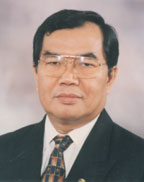 Syahril Sabirin, governor of Indonesia's central bank Syahril Sabirin, governor of Indonesia's central bank |
One decision that has had an adverse affect on Indonesian and foreign employers alike has been a substantial hike in labor costs. While this may not have been well received by management teams, the country's middle class workforce is also now enjoying significantly higher disposable income. The effects of this increased spending power can be seen in the sheer number of motorcycles and cars on the roads and the increase in the number of consumer goods purchased.
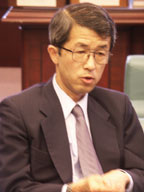 Yutaka limura, the japanese ambassador to Indonesia Yutaka limura, the japanese ambassador to Indonesia
|
|
With a more affluent population, an increasingly proactive government, reforms on track and continued "cautious optimism", Japanese investment in Indonesia looks set to remain solid. Diplomatic relations between Japan and Indonesia date back to 1958. The signing of the Treaty of Peace between the two countries signalled the foundation of a healthy relationship which continues today.
Japan's Ambassador to Indonesia, Yutaka Iimura says: "The ties between Japan and Indonesia are very close, particularly economically. For example we have about 1,300 Japanese companies operating in Indonesia. If you look at the amount of investment that has been coming into Indonesia since the country began to industrialize, the Japanese are by far the largest foreign investors, bringing in 15 percent of all foreign investment -- all of this amounting to about US$35 billion. Japanese companies locally employ about 220,000 Indonesian workers. I think these numbers show how closely our two nations are economically."
|
"Indeed, Indonesia is well equipped to work alongside Japan and other nations and is eager to do so. Economic recovery and financial and political reforms are underway and the general feeling is that the country is moving forward. Despite a certain, degree of uncertainty that is still prevalent, Indonesia's transitional period has resulted in giant steps in the advancement of the country.
There is a difficult task ahead. Difficult, but not impossible. The country is working hard to achieve its targets and has made substantial progress on which it must now build as the runup to the 2004 elections begins. Indonesia's population of well over 200 million people and its wealth of natural resources point to a firm foundation for future growth.

|

|

